Native American History
The Thanksgiving Table and the Indigenous Peoples Who Shaped It
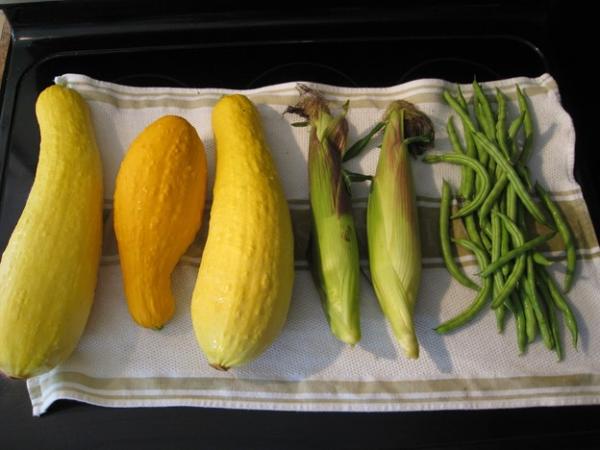
From Andean potatoes to Myaamia corn grown in Fort Wayne, the Thanksgiving table tells a story of Indigenous agriculture and knowledge.
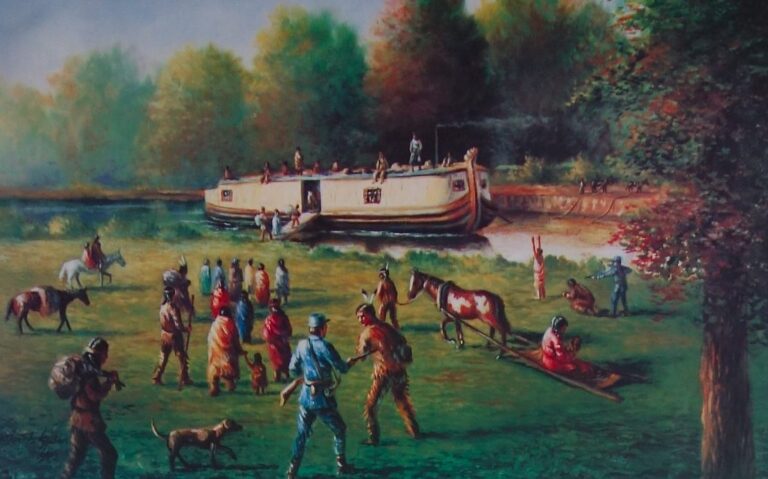
Before the familiar streets, there were river crossings, Native towns, frontier forts, and canal workers. Discover the people and places that shaped Fort Wayne.
Explore the stories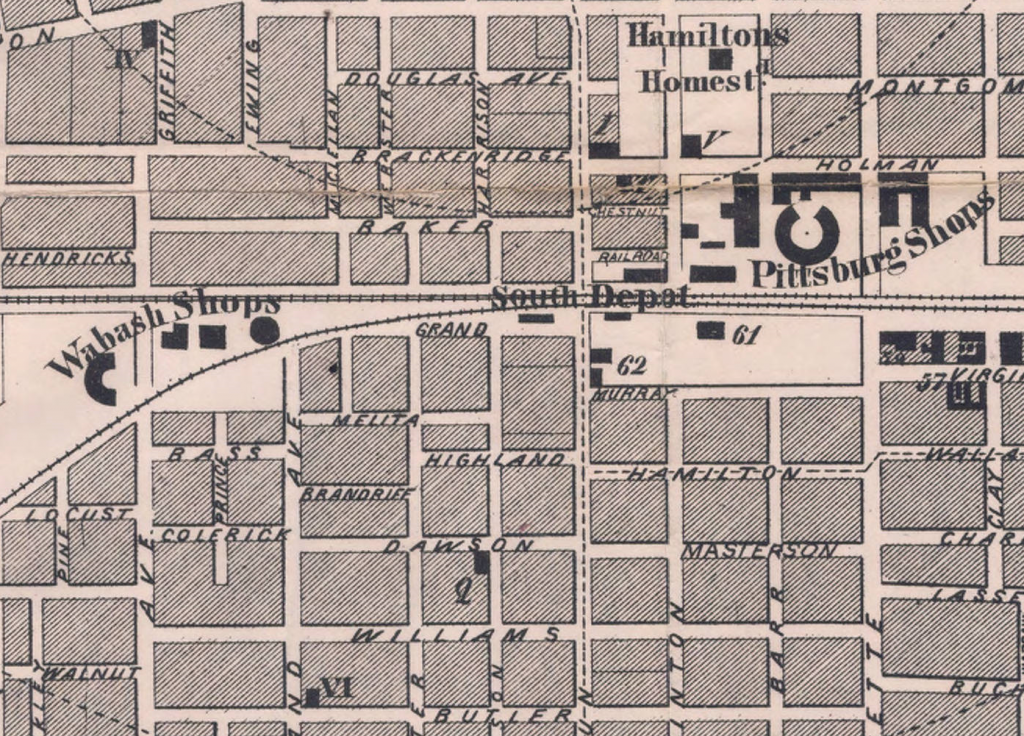
From Andean potatoes to Myaamia corn grown in Fort Wayne, the Thanksgiving table tells a story of Indigenous agriculture and knowledge.
The National Day of Mourning began in Plymouth in 1970. In Fort Wayne, the observance invites a closer look at Kekionga, the forced removal of Myaamia families, and the community’s continuing ties to its homeland.
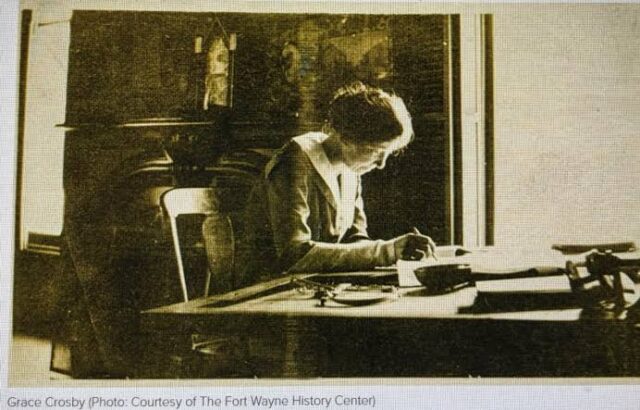
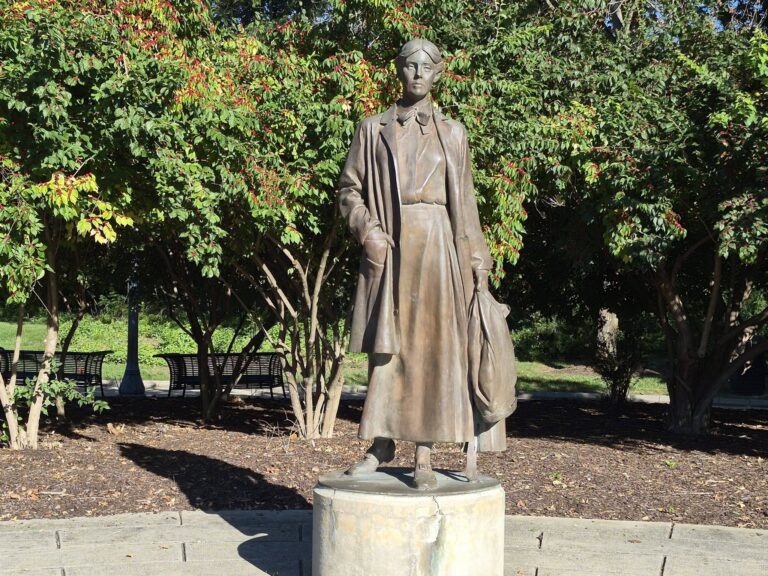
Fort Wayne native Grace E. Crosby (1874–1962) was an architectural draftswoman and designer whose work with Wildwood Builders helped shape the city’s early twentieth-century neighborhoods.
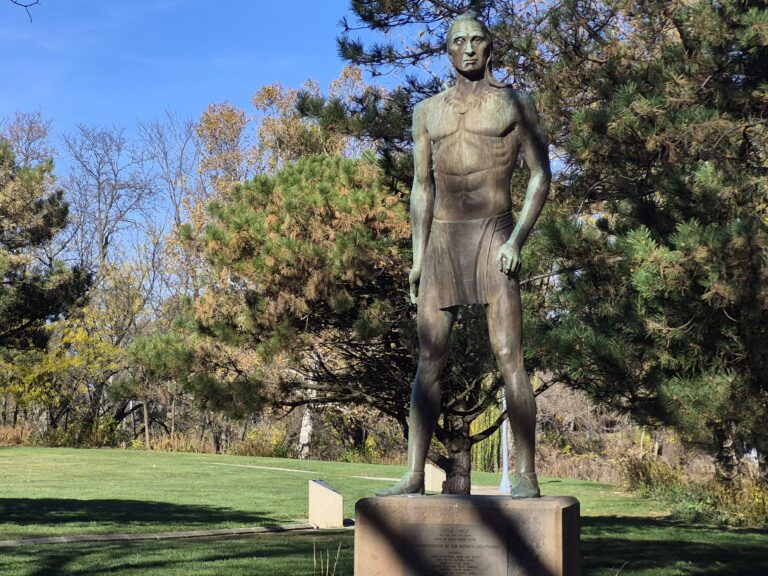
Mihšihkinaahkwa, known as Little Turtle, was a prominent Myaamia leader from the Kekionga region who combined military leadership with diplomacy to defend his people’s homeland.
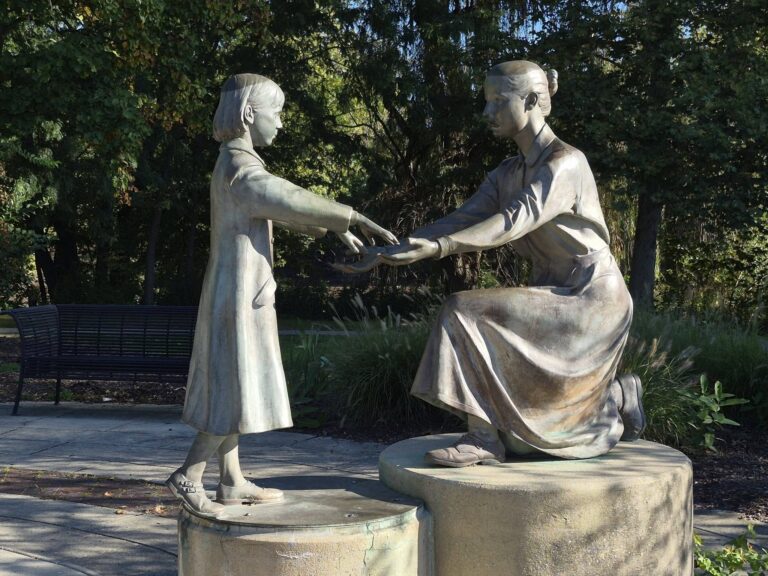
Agnes Hamilton helped organize Fort Wayne’s YWCA and spent decades serving working families through the Lighthouse settlement in Philadelphia.
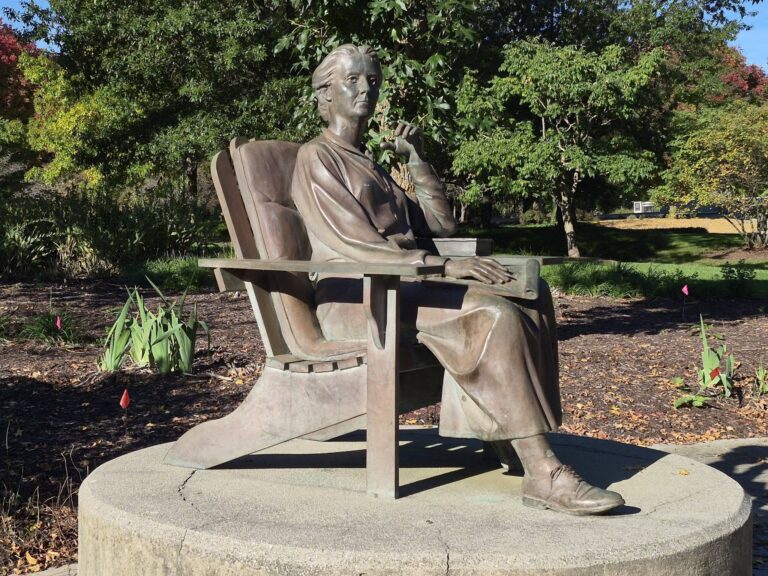
Born in Dresden and raised in Fort Wayne, Edith Hamilton became a beloved writer and teacher who brought Greek and Roman literature to generations of readers.
Raised in Fort Wayne, Dr. Alice Hamilton became a pioneer in industrial medicine, exposing workplace hazards and advancing protections for workers.
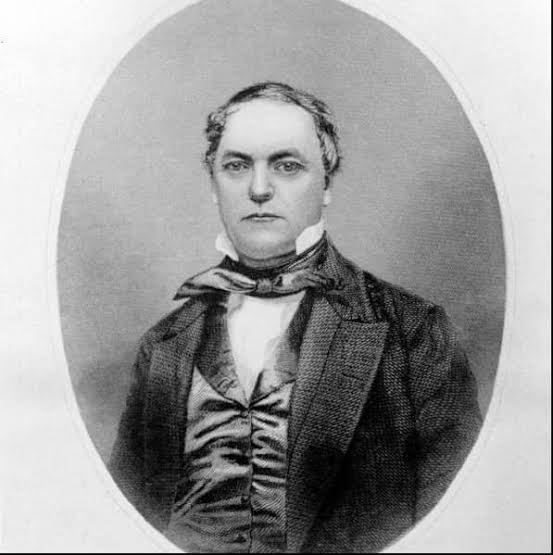
An Irish immigrant, merchant, banker, and public official, Allen Hamilton helped shape Fort Wayne’s early growth. His story also reveals the unequal terms on which that growth unfolded.
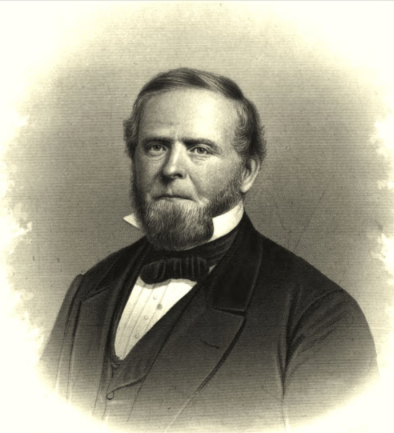
From a small store at Columbia and Barr streets to canals, banking, and railroads, Samuel Hanna helped shape the growth of nineteenth-century Fort Wayne.
The Fort Wayne History Journal brings together the work of local historians Paul Calloway, Robert O'Donoghue-Stone, Joshua Schipper and Blake Sebring. Together, they share a passion for the city's past and the stories that help us understand it.
Meet the historians Find us on Facebook